




We diligently research your market and competition to create strategies to engage your audience, build brand loyalty, and ensure your business stays top of mind.
Social Media for Healthcare: More Than Just Posting Updates

Wednesday, July 22, 2026
Healthcare is built on trust. Before a patient schedules an appointment or recommends a provider to a loved one, they are forming opinions about a hospital online. Increasingly, those first impressions happen on social media.
Yet many hospitals still approach social media as a digital bulletin board. They post service updates, holiday graphics, press releases, and event photos, then move to the next calendar item. While those updates have their place, they rarely tell an organization’s full story.
They also rarely build meaningful engagement with the communities they serve.
An effective social media strategy does much more than keep a Facebook page active. It helps patients learn, builds trust, supports hiring, and strengthens the hospital’s brand. The benefits of social media extend well beyond marketing. Hospitals can also connect with their communities, attract talented employees, and build trust before a patient walks through the door.
Why Social Media Matters More Than Ever
Today's healthcare consumers expect transparency and accessibility. Before choosing a doctor or hospital, many people research their options online. They read reviews, visit websites, and browse social media to learn about the organization's people, values, and care.
For hospitals, this means social media has become far more than another marketing channel. Trust is the true currency in healthcare, and every post either strengthens or weakens that trust. Press releases and updates are useful, but they do not tell the full story or help people connect with your organization.
Original content helps hospitals show their expertise, compassion, and values in a way that generic posts cannot. It helps people get to know the faces and stories behind the organization long before they need care.
A strategic healthcare social media presence can help hospitals:
- Build credibility within the community.
- Increase awareness of available services.
- Promote preventive health education.
- Highlight medical expertise.
- Support recruitment efforts.
- Strengthen relationships with patients and caregivers.
- Enhance overall brand recognition.
Rather than simply broadcasting information, successful hospitals create relationships through content that informs, reassures, and inspires confidence.
Every Audience Has Different Needs
One of the biggest mistakes hospitals make is assuming every follower is looking for the same type of content. In reality, healthcare organizations communicate with several distinct audiences, each with different expectations.
Patients and Prospective Patients
Patients want trustworthy information that helps them make informed healthcare decisions. Educational content focused on seasonal wellness, preventive care, and relevant health topics positions hospitals as trusted resources rather than simply healthcare providers.
Families and Caregivers
Family members often look for visitor information, support resources, community programs, and updates about a loved one's care. Social media can provide reassurance and practical information during stressful situations.
Future Employees
Recruitment has become increasingly competitive across the healthcare industry. Social media offers hospitals an opportunity to showcase workplace culture, employee recognition, career development opportunities, and the people behind the organization. Featuring healthcare professionals discussing their careers also supports recruitment and professional development, giving prospective employees an authentic look inside the organization.
Community Partners and Donors
Hospitals are often deeply involved in their communities through outreach programs, nonprofit partnerships, educational initiatives, and fundraising efforts. Social media provides an opportunity to celebrate these relationships while demonstrating the organization's broader impact beyond patient care.
The Best Hospital Content Builds Trust
Successful healthcare social media is rarely about self-promotion. Instead, it focuses on creating original content that provides value while reflecting the people behind the organization.
That matters now more than ever. Social media algorithms increasingly reward content that captures attention and encourages meaningful engagement. Generic graphics and reposted press releases often get lost in busy social feeds, while original stories are more likely to catch people's attention and be remembered.
Content that consistently performs well often includes:
- Physician and staff spotlights that introduce the people behind the care.
- Health awareness campaigns tied to national observances.
- Preventive health education and seasonal wellness tips.
- Community event coverage.
- Volunteer and outreach initiatives.
- Behind-the-scenes glimpses into hospital operations.
- New technology or facility improvements explained in patient-friendly language.
- Patient success stories shared with proper consent and HIPAA compliance.
- Frequently asked healthcare questions answered by qualified experts.
- "Day in the life" videos that showcase employees and workplace culture.
Original content also works harder than many organizations realize. A behind-the-scenes video or employee spotlight is not simply a marketing asset. One piece of original content can support hiring, strengthen your culture, build community trust, and add value to your website.
Perhaps most importantly, original content gives hospitals something competitors cannot replicate. Many hospitals offer similar services, but no one else can tell your team's stories or show the people behind your care. Those authentic experiences become a meaningful point of differentiation in an increasingly competitive healthcare landscape.
Creating Content That Works Harder
Hospitals don't have to generate content from scratch every day.
One physician interview can become:
- A short Instagram Reel.
- A LinkedIn article.
- Multiple educational social media posts.
- Website content.
- Recruitment material.
- A patient FAQ.
This approach helps marketing teams get more value from each piece of content while supporting several goals at once.
Healthcare Social Media Requires Extra Care
Unlike many industries, healthcare organizations operate within strict privacy and regulatory requirements. Every piece of content must balance creativity with compliance.
Marketing teams should work closely with clinical and compliance teams to keep content accurate while protecting patient privacy.
Some common considerations include:
- HIPAA compliance.
- Patient consent for stories, testimonials, and photography.
- Accessibility standards for images and video.
- Medical accuracy.
- Crisis communication planning.
- Appropriate responses to public comments and reviews.
Having documented workflows and approval processes helps hospitals maintain consistency while minimizing risk.
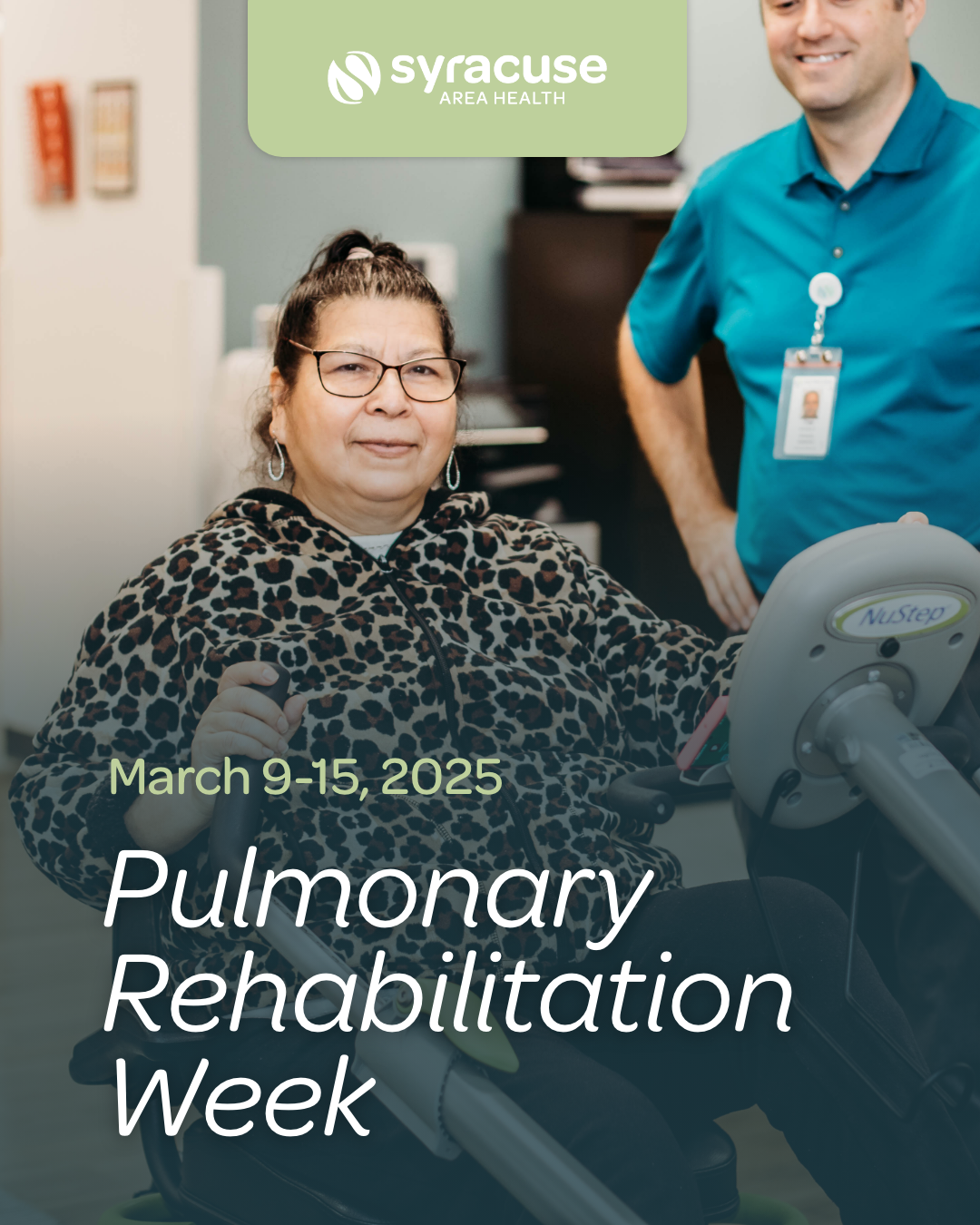
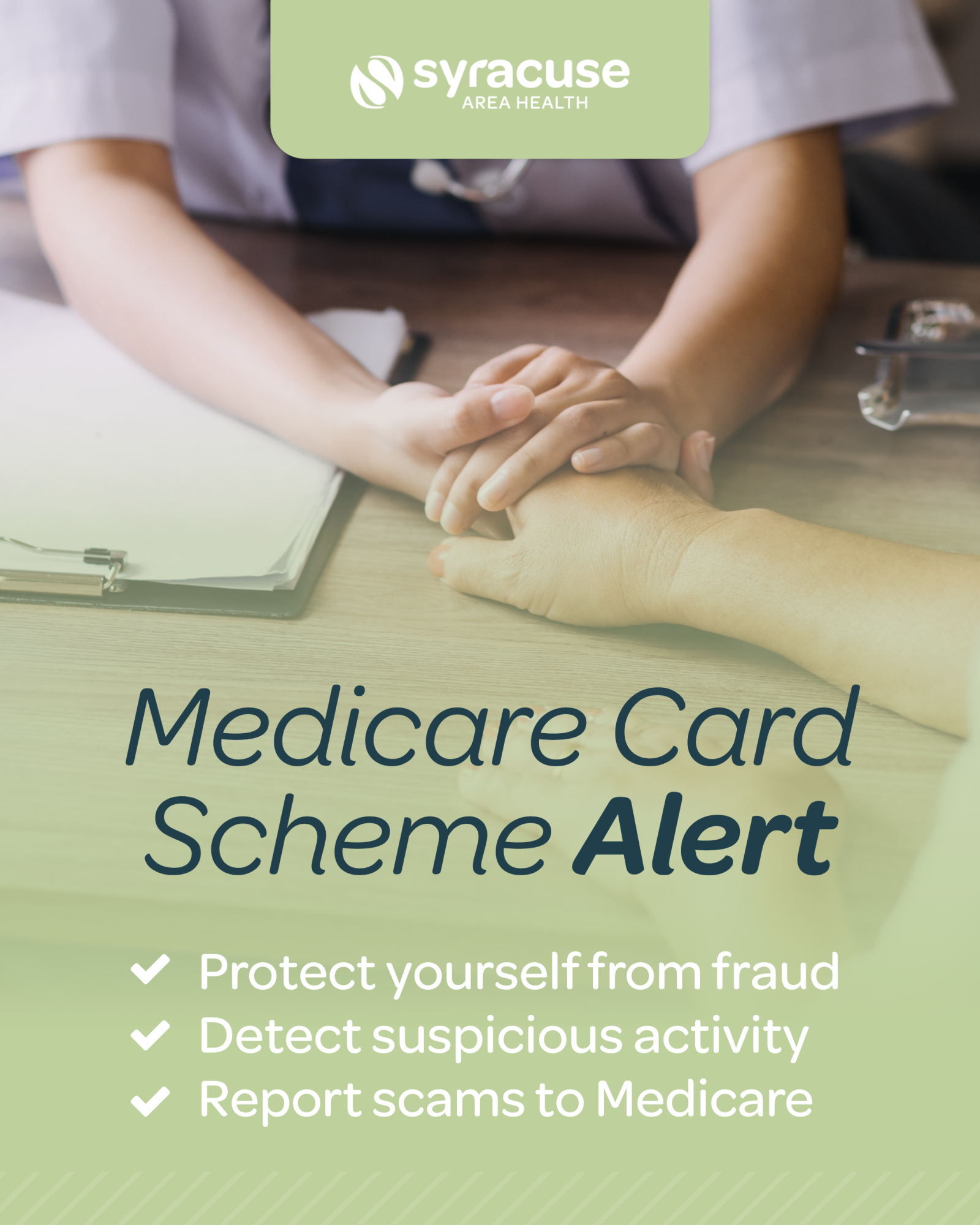
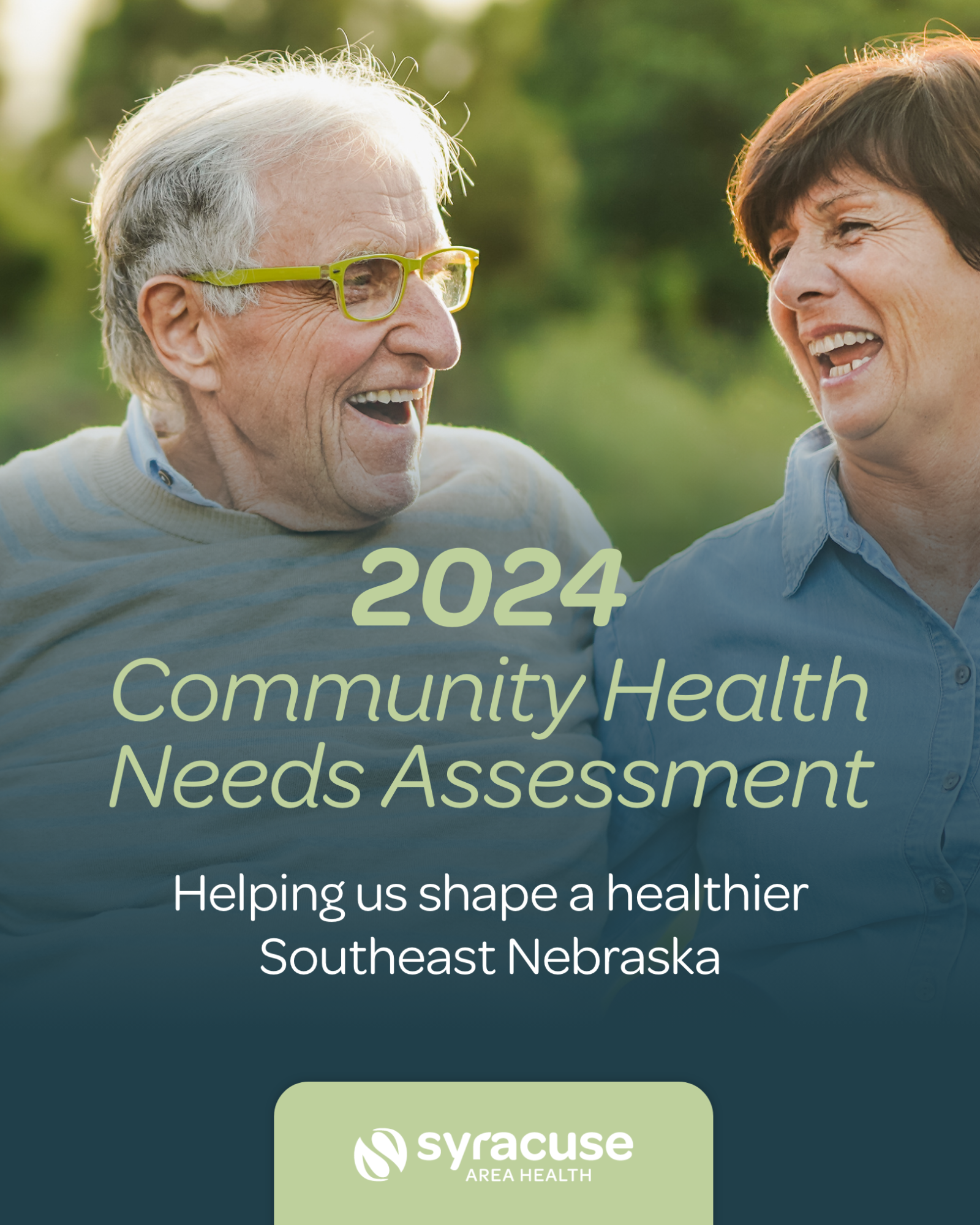
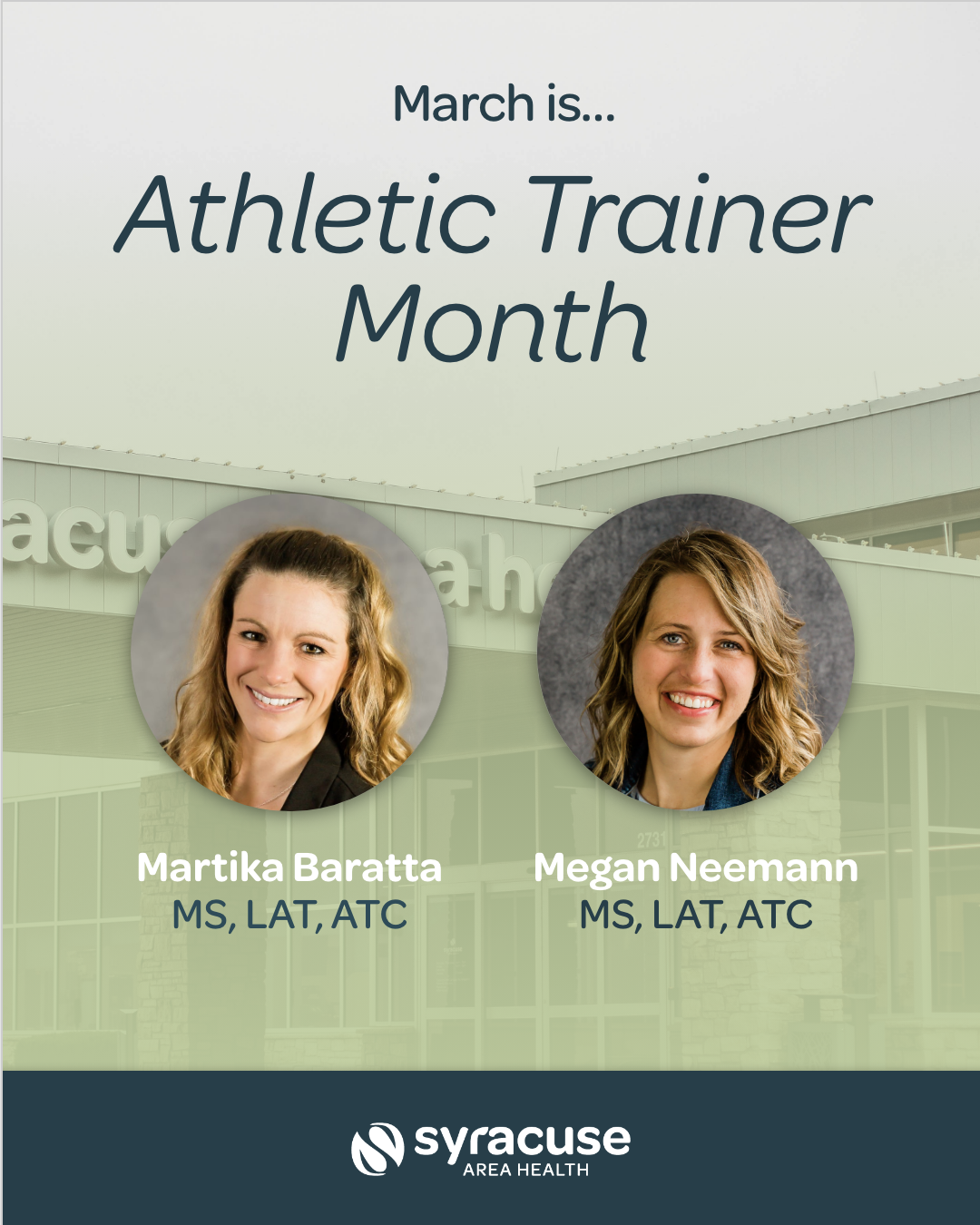
Featured Project
Syracuse Area Health
Creating meaningful healthcare content requires more than filling a social media calendar. It starts with understanding the people behind the organization and the community they serve.
That is exactly how UNANIMOUS partnered with Syracuse Area Health. Rather than focusing only on promotions or service announcements, the strategy centered on telling authentic stories that reflected the organization’s mission and values. Together, we developed branded social media content that educated patients, highlighted community events, celebrated employee achievements, and shared patient success stories. The goal was to strengthen trust while positioning Syracuse Area Health as a reliable source of healthcare information for the region.
The work extended well beyond social media. Our team redesigned The Pulse community newsletter with updated photography, refreshed layouts, and engaging articles that helped connect the hospital with patients outside the walls of its facilities. Because every piece of content shared the same visual identity and messaging, each communication reinforced the Syracuse Area Health brand, whether someone opened a newsletter, visited the website, or saw a social media post.
As the partnership continued, UNANIMOUS also supported digital advertising campaigns across Google Search, Google Display, and Meta. The creative assets worked together as part of a larger marketing strategy. Instead of treating every platform as a separate project, each campaign supported the same brand story and created a consistent experience wherever patients interacted with Syracuse Area Health online.
The biggest takeaway is simple. The strongest hospital social media is rarely created one post at a time. It comes from a coordinated marketing strategy where photography, video, newsletters, websites, advertising, and social media all reinforce the same message. When every channel works together, organizations build familiarity and trust long before someone needs medical care.
Common Social Media Mistakes Hospitals Make
Even well-intentioned hospitals can miss opportunities when they post on social media without a clear strategy.
Some of the most common mistakes include:
- Relying too heavily on press releases.
- Publishing generic graphics with little value.
- Ignoring comments and community conversations.
- Creating content without measuring results.
- Following every new social media trend without considering whether it fits the organization's brand.
- Treating every platform exactly the same.
The strongest healthcare brands create original stories that people actually want to watch, read, and share.
Success Isn't Measured by Likes Alone
Many organizations still judge social media success by follower counts or post engagement. While those metrics provide useful context, they rarely tell the complete story.
Hospitals should also evaluate how social media contributes to broader organizational goals..
Meaningful performance indicators may include:
- Website traffic from social platforms.
- Appointment requests.
- Event registrations.
- Recruitment inquiries.
- Community participation.
- Video completion rates.
- Brand sentiment.
- Patient education engagement.
The most valuable metrics are those that demonstrate business outcomes rather than vanity numbers.
Strategy Always Outperforms Frequency
Posting more often does not automatically produce better results. Without a strategy, even daily content can feel disconnected or repetitive.
An effective healthcare social media strategy begins with clear objectives. Marketing teams should define target audiences, establish content pillars, create messaging guidelines, develop approval workflows, and regularly review performance data.
Consistency matters, but consistency should extend beyond posting schedules. Hospitals should maintain a recognizable voice, visual identity, and commitment to providing helpful, trustworthy information.
When each piece of content supports bigger goals, social media becomes more than a marketing tool. It becomes a valuable business asset.
Social Media Is an Extension of the Patient Experience
Every interaction helps shape a hospital's reputation, from the exam room to its website and social media.
Healthcare often brings uncertainty, vulnerability, and anxiety. Before someone ever schedules an appointment, they are already forming opinions about the organization caring for them. Social media has the opportunity to reduce that uncertainty by showing the people behind the institution.
A reassuring physician video can ease concerns before a procedure. A nurse sharing why they chose their profession can make an organization feel more approachable. A behind-the-scenes look at a care team reminds people that healthcare is about caring people, not just buildings and equipment.
These moments may seem small individually, but together they build familiarity. Familiarity leads to trust, and trust often begins long before someone walks through the hospital's doors.
Choosing the Right Social Media Platforms
Not every audience spends time in the same place. Hospitals should choose social media platforms based on their goals instead of trying to be everywhere at once.
For many healthcare organizations, Facebook remains a valuable channel for community updates, event promotion, and sharing health information. Instagram offers opportunities to humanize the brand through employee spotlights, patient stories, and behind-the-scenes content. LinkedIn supports hiring, professional growth, and employer branding. YouTube and short videos help explain health topics in a simple, engaging way.
Instead of trying to manage every platform, hospitals should focus on the social media channels their audiences use most.
Building a Stronger Healthcare Brand
Social media should never exist in isolation. It works best when it supports a hospital's larger brand strategy, marketing initiatives, recruitment efforts, and community engagement goals.
Original content also creates lasting value. News and routine updates are important, but original stories keep working long after they are published. They help people find your organization online, build brand recognition, and give patients, future employees, and community members helpful content to discover over time.
Just as importantly, hospitals that consistently showcase real employees, real expertise, and meaningful moments communicate confidence. They demonstrate transparency, reinforce credibility, and invite their communities to see the people behind the brand.
At UNANIMOUS, we believe every interaction contributes to your brand story. Whether you're developing a long-term brand strategy, launching an integrated marketing campaign, refreshing your website, or creating engaging video content, social media should reinforce the same message across every touchpoint.
When hospitals move beyond simply posting updates and begin telling authentic stories, they create more than engagement. They build trust, strengthen relationships, differentiate their brand, and establish lasting connections with the communities they proudly serve.
UNITED WE BRAND!
UNANIMOUS is a full-service branding agency based in the heart of the Midwest—Lincoln, Nebraska. We work with clients to develop strong brand alignment through strategic marketing, logo design, creative services, engaging websites, and compelling video projects of all sizes. UNANIMOUS is known for collaborative partnerships and works with various clients nationwide. Our agency prides itself on rhyme, reason, and results.Contact UNANIMOUS to learn more: info@BeUNANIMOUS.com or 402.423.5447