example of brand architecture

Brand Architecture

Organized Brand Structure

A "House of Brands" or a "Branded House"? Define your structure for success. Your brand portfolio should be cohesive, intentional, and strategically aligned to maximize recognition and market impact. Brand architecture and hierarchy define how multiple brands, products, or divisions within your organization connect, communicate, and align.


Alignment

A well-structured brand architecture establishes a hierarchy that guides your audience through their journey with the brand, ensuring alignment across all platforms. It clarifies the relationship between the parent brand and its sub-brands or product lines. By maintaining consistency in all brand elements—from verbal messaging to visual identity—brand architecture enhances the overall customer experience.

Strength

Having a well-defined brand architecture allows you to confidently launch new product lines or enter different markets by harnessing the value of your established brand. By utilizing the recognition and reputation of your parent brand, you can create a cohesive and engaging brand experience across all touchpoints, including new offerings. This makes it easier to introduce innovations while maintaining brand consistency and credibility.

Efficiency

A well-defined brand architecture enables you to confidently introduce new product lines or enter new markets by leveraging the value of your established brand. By tapping into the recognition and reputation of your parent brand, you can create a cohesive and engaging brand experience across all touchpoints, including with your new offerings. This strategic alignment not only strengthens brand loyalty but also maximizes marketing efficiency.

Clarity

A well-structured brand architecture helps customers and stakeholders understand how different brands, products, or services connect within an organization. Clear relationships reduce confusion, enhance trust, and streamline decision-making for consumers. At UNANIMOUS, we define strategic brand hierarchies that ensure cohesion, consistency, and clarity, strengthening your overall brand presence.

Growth

Having a well-defined brand architecture allows you to confidently launch new product lines or enter different markets while utilizing the strength of your existing brand. By taking advantage of the recognition and reputation of your parent brand, you can create a cohesive and engaging brand experience at all touchpoints, including any new offerings.

Precision

Depending on the approach you choose, the architecture can develop sub-brands or product lines that target specific market segments or customer preferences. This focused strategy enables you to effectively address diverse needs and leverage the emotions or key motivators of your customers. By tailoring messaging and positioning, you can create stronger connections and drive deeper engagement with each audience segment.

house of brands example logo designs

House of Brands

This approach involves creating a family of distinct brands, each with its own unique identity and market position. It enables each brand to develop its own personality, reputation, and growth strategy while maintaining flexibility to cater to various customer segments and preferences. By crafting a house of brands, companies can capture the individual essence of each brand while also leveraging the strength of the parent brand.

House of Brands Benefits 
Companies with diverse product lines target different audiences. It allows for market-specific branding and shields the parent brand from any individual brand challenges.

House of Brands Example >>>

Branded House

In this approach, your main brand acts as an umbrella for all your different products and services. This strategy creates a seamless and unified brand experience, leveraging the strength of your main brand to establish trust and credibility for the associated products and services. Building a branded house leaves a clear and lasting impression on your audience. 

Branded House Benefits 
Companies that want a strong, singular brand identity across multiple products or services. Maximizes brand equity, simplifies marketing efforts, and ensures consistency.

Branded House Example >>>

branded house example logo design
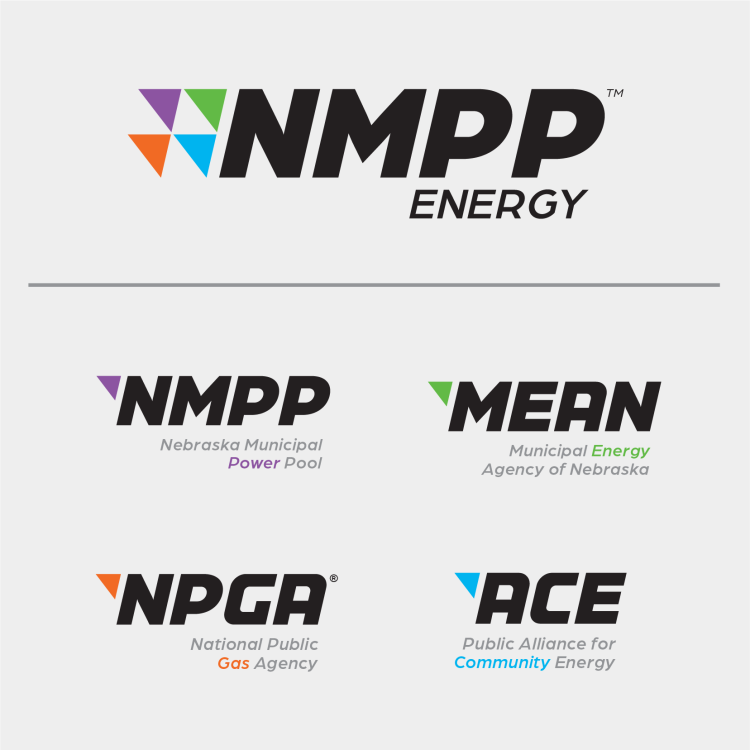
hybrid brand architecture example logo designs

Hybrid Brand Architecture

This model combines elements from both the House of Brands and the Branded House approaches. It enables the coexistence of independent brand identities within a unified brand framework. By creating a hybrid brand architecture, organizations can maximize the potential of their brands, allowing for individuality while maintaining a consistent brand voice.

Hybrid Brand Architecture Benefits
Organizations that need a mix of parent brand recognition and independent brand positioning. Balances brand synergy with market-specific differentiation.

Hybrid Brand Architecture Example >>>

Why Choose UNANIMOUS for Brand Architecture?

At UNANIMOUS, we specialize in building cohesive, strategically aligned brand structures that drive business success. Whether you need to refine an existing portfolio or establish a new brand hierarchy, our team delivers expert insights, research-backed recommendations, and actionable implementation strategies.

  • Custom Brand Architecture Strategy Tailored to Your Business
  • Expert Research & Market Analysis
  • Seamless Integration Across Marketing & Brand Communications
  • Proven Experience Helping Brands Organize & Scale Effectively

Let’s Structure Your Brand for Success!
Your brand hierarchy shapes how customers perceive, engage with, and trust your business. UNANIMOUS is here to help you define the best brand architecture strategy for long-term growth.

Call 402-423-5447 or Contact UNANIMOUS today!

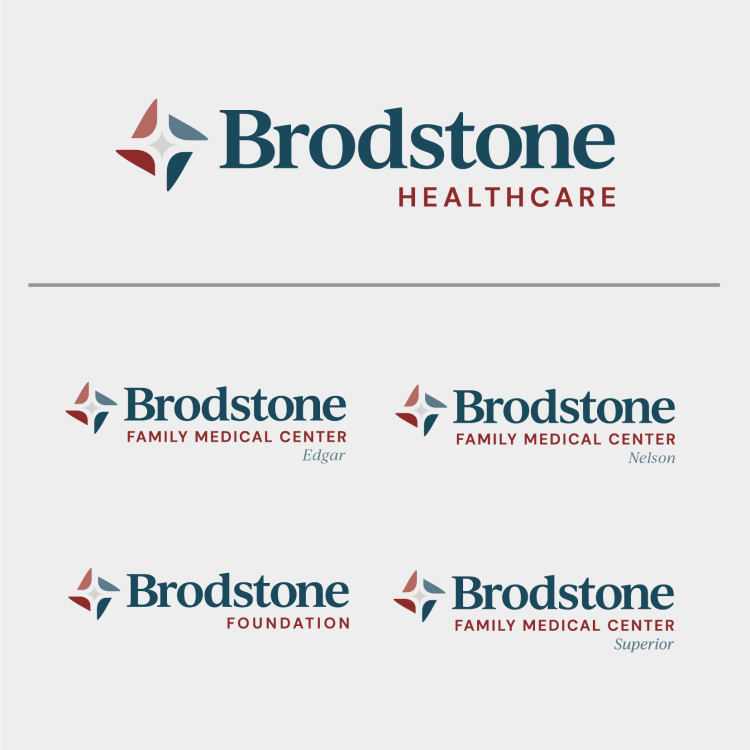
healthcare brand architecture

Frequently Asked Questions

You Have Questions, UNANIMOUS has Answers.

What is the core purpose of brand architecture?

The core purpose of brand architecture is to organize how an organization’s brands, sub-brands, services, products, programs, or locations relate to one another. A strong brand architecture makes it easier for audiences to understand what you offer, how everything connects, and where each part of the brand fits within the larger organization. It also helps internal teams communicate more clearly and maintain consistency as the brand grows. At UNANIMOUS, we develop brand architecture systems that create clarity, reduce confusion, and support long-term growth across complex organizations.

Who should manage brand architecture alignment across markets within an organization?

Brand architecture alignment is typically managed by leadership, marketing, communications, and brand teams working together to protect consistency across markets. In larger organizations, this may also involve regional teams, department leads, vendors, and internal stakeholders who apply the brand across different locations, audiences, or service lines. Clear guidelines, approval processes, and shared resources help ensure the brand system is used correctly. We help organizations build brand architecture and standards that give teams the structure they need to stay aligned while communicating to different markets.

How do you evaluate brand consistency across an organization?

Brand consistency can be measured by reviewing how well messaging, visuals, tone, and brand assets are applied across departments, locations, campaigns, and customer touchpoints. This may include auditing websites, social media, print materials, signage, presentations, advertising, internal communications, and sales materials. Organizations can also gather feedback from employees, customers, and key audiences to understand whether the brand feels clear and recognizable. At UNANIMOUS, we use brand audits, research, and strategic evaluation to help organizations identify gaps and create a more consistent brand experience.

How do you communicate brand hierarchies to consumers?

Brand hierarchies should be communicated in a way that makes the relationship between the parent brand, sub-brands, services, products, or locations easy to understand. This can be done through naming systems, messaging, logo relationships, website navigation, visual identity, and clear descriptions of how each offering connects to the larger organization. The goal is to reduce confusion and help audiences quickly understand what they are engaging with. UNANIMOUS helps organizations communicate brand hierarchies through thoughtful strategy, clear messaging, and visual systems that make complex brands easier to navigate.